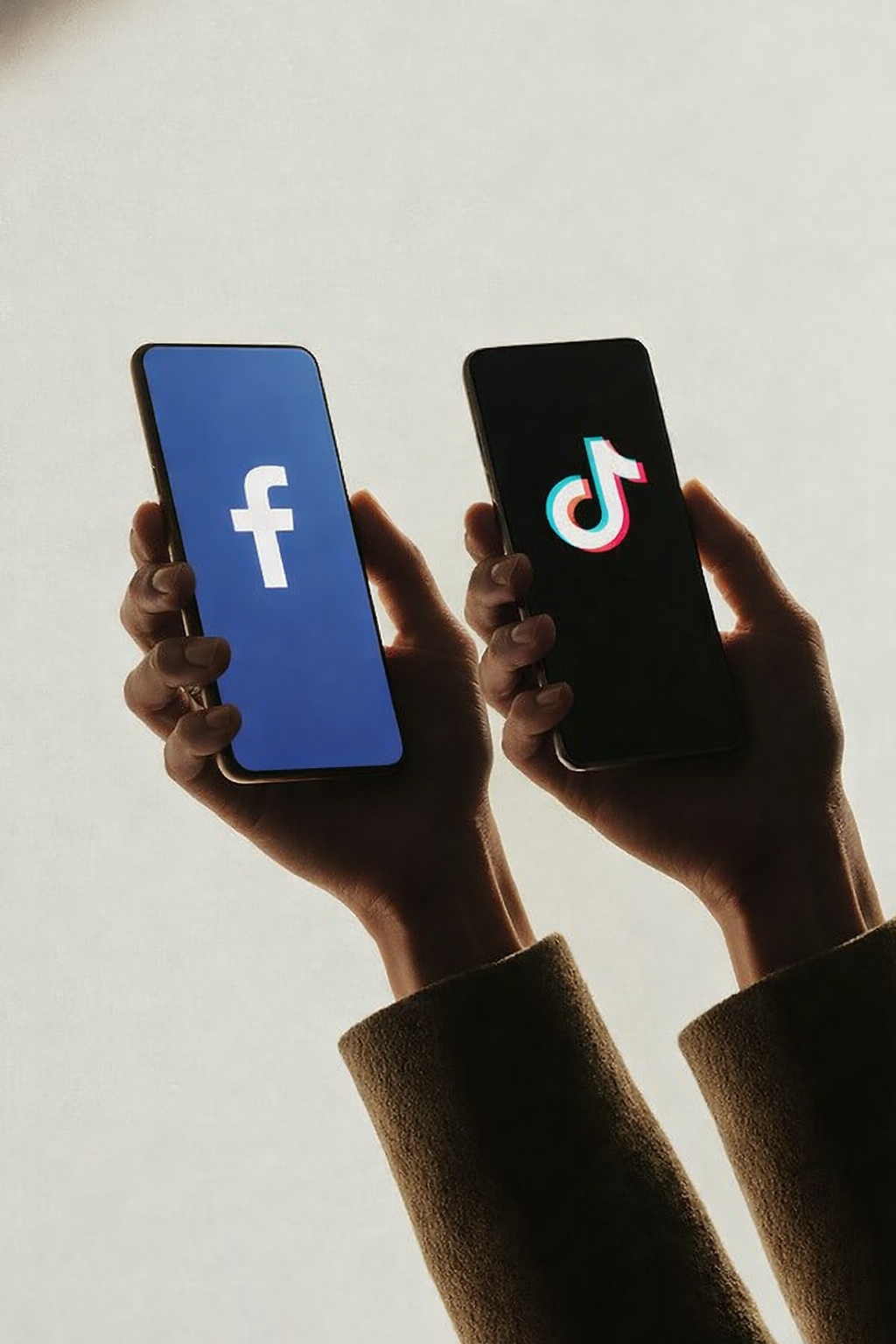
The digital ad race in 2026 is defined by one question, where do conversions happen faster and smarter? Brands are torn between the depth of Facebook’s targeting and the energy of TikTok’s creative momentum. Sneaky helps businesses uncover the truth behind these platforms, turning analytics into strategy and engagement into measurable profit. As ad behaviours evolve, the key isn’t choosing sides, it’s mastering both to drive sustainable conversions.
Key Takeaways
- Facebook offers precision and predictability for scaling ROI
- TikTok delivers speed, creativity, and viral exposure
- Both platforms complement each other, one builds trust, the other drives discovery
- Ad performance depends on creative testing and data-driven optimisation
- Sneaky builds cross-platform strategies that convert, not just attract
Understanding the Landscape
The digital ad space is evolving faster than ever. With over 21 million social media users, both platforms offer immense reach, but scale doesn’t always mean success.
According to thelatest social media advertising reports, Facebook continues to dominate in demographic depth, while TikTok is the undisputed leader in engagement. Yet, conversions depend on strategy, not just audience size.
At Sneaky, we’ve seen that brands performing best in 2025 are those that understand where their target audience lives and why they convert.
Facebook Ads: Still a Conversion Powerhouse
Facebook remains the most sophisticated ad engine ever built. With its parent company, Meta, powering cross-platform targeting across Facebook, Instagram, and Messenger, it delivers precision marketing through unmatched data depth.
Why Facebook Works?
- Robust Targeting: Leverage first-party data, lookalike audiences, and behavioural insights.
- Mature Algorithm: Decades of refinement give Facebook an edge in conversion optimisation.
- Multi-Format Flexibility: From video to carousel ads, it supports every stage of the buyer journey.
- Higher Intent: Users interact with brands they already trust, ideal for lead generation.
A HubSpot study reports that Facebook’s average conversion rate across industries remains between 9–10%, making it ideal for high-ticket products and retargeting campaigns.
TikTok Ads: The Creative Conversion Engine
TikTok isn’t just a trend hub anymore, it’s a conversion ecosystem. Its algorithm amplifies discovery, turning unknown brands into viral sensations overnight. The platform’s short-form, high-impact videos are designed to influence impulse decisions.
Why TikTok Wins?
- Native Engagement: Users actively consume branded content as part of their feed.
- High CTR Potential: Authentic storytelling drives direct interaction.
- UGC Dominance: User-generated content (UGC) increases trust and relatability.
- Younger Demographics: The sweet spot for Gen Z and early-millennial audiences.
According to a study, TikTok ad engagement rates are over 5x higher than Facebook’s average. However, its conversion consistency can fluctuate, requiring adaptive creative testing, something Sneaky integrates into every campaign.
Head-to-Head: Facebook vs TikTok Ads in 2026
In 2026, the battle for ad dollars between Facebook (Meta) and TikTok is more intense than ever. Both platforms dominate the social advertising landscape, but for brands chasing conversions, deciding where to invest can feel like walking a tightrope.
Facebook offers unmatched reach, robust targeting, and years of conversion data. TikTok, meanwhile, delivers hyper-engaged audiences and viral creative potential that traditional platforms can’t replicate. So, which one actually converts better in 2025? The answer depends on your audience, creative strategy, and how you define conversion success.
Let’s break it down.
1. The State of Paid Social in 2026
Social advertising has matured into a precision science. Privacy changes (like Apple’s iOS updates and third-party cookie deprecation) have forced brands to rethink tracking and measurement. As a result, advertisers are focusing more on first-party data, creative optimisation, and audience engagement instead of pure targeting automation.
In this landscape:
- Facebook Ads continue to evolve through Meta's AI-powered Advantage+ tools, making campaign automation and creative optimisation more sophisticated than ever.
- TikTok Ads continue to dominate attention spans, driven by short-form storytelling and authentic creator partnerships.
Both platforms still drive conversions, but they do so in very different ways.
2. Audience & Demographics
Understanding who’s active on each platform remains key.
Facebook (Meta):
- Core audience: Ages 25–54, slightly older demographics than TikTok.
- Users are typically homeowners, parents, and decision-makers with disposable income.
- Strong engagement from local communities, small business owners, and established brands.
Ideal for: e-commerce stores, service-based businesses, B2B advertisers, and brands selling higher-consideration products.
TikTok:
- Core audience: Ages 18–34, skewing younger but rapidly broadening.
- Users spend an average of 95 minutes a day on the app, more than on any other social platform.
- Highly engaged, trend-driven, and responsive to authentic content rather than polished branding.
Ideal for: direct-to-consumer (DTC) brands, lifestyle products, beauty, fashion, and impulse buys.
If your target customer is a 35-year-old homeowner, Facebook is still gold. If it’s a 22-year-old college student or Gen Z shopper, TikTok likely wins.
3. Ad Formats and Creative Approach
The biggest differentiator between Facebook and TikTok Ads in 2026 is creative philosophy.
Facebook Ads:
- Built for multi-format storytelling, carousels ads, dynamic product ads, collection ads, and video.
- Focuses on product education, retargeting, and funnel progression.
- Best for brands with strong visual assets and clear product benefits.
- Facebook’s Advantage+ Shopping Campaigns can automatically mix ad types and placements across Facebook, Instagram, Messenger, and Audience Network.
TikTok Ads:
- Entirely video-driven, 15 to 60-second clips designed to blend with organic content.
- Rewards authenticity over perfection. Raw, relatable videos often outperform high-production creatives.
- Integrates heavily with user-generated content (UGC) and influencer partnerships.
- The TikTok Shop ecosystem has exploded in 2026, allowing in-app purchases and seamless conversions from video to checkout.
In short, Facebook ads are great at informing and retargeting; TikTok ads are great at inspiring and impulsing.
4. Conversion Performance: Who Wins?
Let’s talk numbers and behaviour.
Facebook’s Strengths in Conversion
- Proven Retargeting Engine: Facebook’s pixel and Conversions API (CAPI) remain among the most powerful for identifying purchase intent and remarketing effectively.
- High Average Order Value (AOV): Facebook users tend to spend more per transaction because they’re older and have more disposable income.
- Strong for Bottom-Funnel Conversions: Great for abandoned cart recovery, subscription renewals, and long-term remarketing.
In 2026, many advertisers report conversion rates between 3%–5% on Facebook for well-optimised e-commerce campaigns and solid performance for high-value products.
TikTok’s Strengths in Conversion
- Viral Discovery: TikTok’s algorithm can take a single creative and push it to millions overnight, fueling massive top-of-funnel visibility.
- Lower Customer Acquisition Cost (CAC): Creative that hits the right trend can yield CACs 30%–50% lower than on Facebook.
- TikTok Shop & Social Commerce: With integrated checkout, conversions happen natively within the app, eliminating drop-off between ad click and purchase.
- Impulse Buying: Especially for low-ticket or novelty items, TikTok users convert quickly after exposure.
However, TikTok’s conversion performance can fluctuate based on creative trends and virality. When a video loses momentum, conversions often drop sharply.
- Cost and Return on Ad Spend (ROAS)
- Facebook CPMs (Cost per 1,000 impressions) in 2026 average between $8–$15, depending on industry and competition.
- TikTok CPMs remain slightly lower, around $6–$12, but vary based on targeting precision and creative quality.
That said, ROAS depends on product type:
- High-ticket and service-based brands see stronger ROAS on Facebook (thanks to data maturity and remarketing).
- DTC and lifestyle brands often see higher ROAS on TikTok, especially when leveraging influencers and UGC.
In general:
- Facebook = reliable, scalable, consistent returns.
- TikTok = lower cost, faster spikes, but higher volatility.
6. Attribution & Measurement Challenges
Attribution remains tricky on both platforms in 2026 due to privacy regulations and fragmented user journeys.
- Facebook’s Conversions API has improved post-iOS tracking significantly, helping brands measure conversions across devices.
- TikTok Attribution Manager allows advertisers to choose customisable attribution windows (1, 7, or 28 days), but still struggles with multi-touch clarity.
Most high-spend brands now rely on first-party analytics (GA4, Triple Whale, or Northbeam) to unify data from both platforms and accurately gauge performance.
7. Which Platform Converts Better in 2026?
There’s no one-size-fits-all answer, the better platform depends on your audience, product, and marketing strategy. Each channel shines in different scenarios.
Let’s break it down:
- If you’re selling low-ticket or viral DTC products
Go with TikTok.
Its algorithm loves shareable, impulse-buy content. Short videos showcasing affordable, trendy items tend to go viral fast and drive quick conversions.
- If you’re retargeting existing customers or warm leads
Choose Facebook.
Its mature data infrastructure and Conversions API make it perfect for nurturing previous visitors, running remarketing ads, and closing sales efficiently.
- If you’re promoting services or high-value purchases
Stick with Facebook.
Audiences here are more intent-driven and often in a research mindset. That means better performance for real estate, finance, B2B, and luxury products.
- If you’re launching a new lifestyle or beauty brand
Try TikTok.
It’s the go-to platform for discovery and brand awareness. Authentic creator content, influencer collaborations, and trending sounds can build buzz overnight.
- If you’re focused on consistent, scalable campaigns
Opt for Facebook.
It’s still the king of predictability, offering stable CPMs, reliable targeting, and measurable ROAS for brands ready to scale long-term.
- If you want fast, trend-based awareness
Use TikTok.
The platform thrives on virality. If your content hits the right trend, you can explode in reach and convert users who act on impulse.
In short:
- Facebook excels at retention, retargeting, and scalable growth.
- TikTok excels at discovery, virality, and first-time conversions.
Smart brands in 2026 aren’t choosing one over the other, they’re using TikTok to capture attention and Facebook to convert it.
The Future of Paid Social: Integration Over Isolation
In 2026, the smartest brands don’t choose one platform, they build integrated ad ecosystems.
A well-structured strategy includes:
- Top-funnel awareness via TikTok’s high-engagement videos.
- Mid-funnel retargeting on Facebook and Instagram.
- Bottom-funnel conversions powered by Meta’s advanced audience data.
This full-funnel approach aligns with insights from Think with Google, showing that multi-platform touchpoints improve conversion rates by up to 40%.
Conclusion
Conversions aren’t won by platforms, they’re won by strategy. The best results come from understanding who your audience is, where they interact, and what message makes them act. At Sneaky, our Facebook and TikTok advertising service are built to drive measurable performance, we design high-performance ad systems that eliminate guesswork. Whether you’re scaling through Facebook’s precision or TikTok’s viral power, our team ensures every dollar moves your brand forward. Ready to find out which platform can scale your next campaign? Contact us and discover how we turn ad spend into predictable, measurable growth.